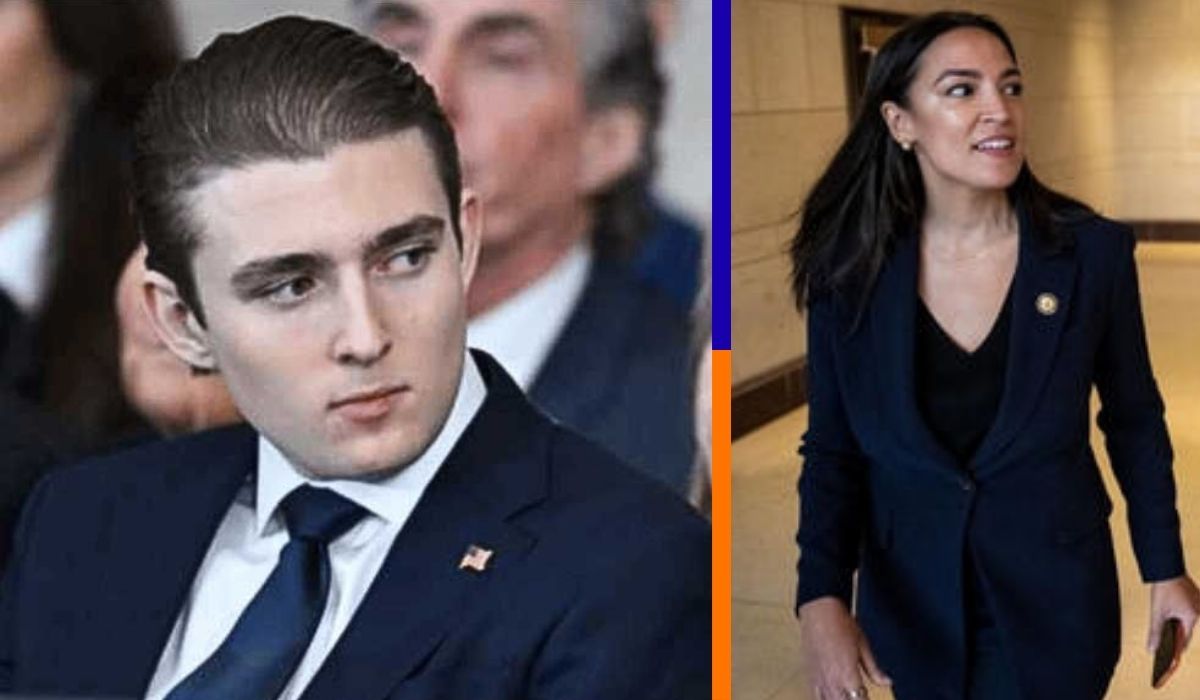
The 2024 United States presidential election created many surprises, but one of the most unexpected political conversations involved two names that normally would never appear together: Barron Trump and Alexandria Ocasio-Cortez. At first glance, they represent opposite sides of modern American politics. Barron Trump became associated with his father’s online media strategy and outreach to young male voters, while AOC remained one of the most recognizable progressive voices in the Democratic Party.
Yet after the election, political analysts noticed something unusual. Some voters supported Donald Trump for president while also voting for Democrats such as AOC in congressional races. This surprising mix forced many people to rethink old political assumptions about race, age, class, and party loyalty. The Barron Trump AOC discussion became less about the individuals themselves and more about what modern American voters truly want.
The election also revealed major changes in how people consume news, form political opinions, and connect emotionally with candidates. Podcasts, streamers, influencers, and social media personalities now influence millions of voters more than traditional television networks. At the same time, economic frustration and distrust of political institutions continue shaping how Americans vote. Together, these trends help explain why Barron Trump and AOC unexpectedly became part of the same national political conversation.
Quick Bio Information
| Topic | Details |
|---|---|
| Full Name | Barron William Trump |
| Birth Year | 2006 |
| Parents | Donald Trump And Melania Trump |
| Known For | Youngest Son Of Donald Trump |
| Public Attention | 2024 Campaign Media Influence |
| Media Strategy Role | Encouraging Podcast Outreach |
| Popular Platforms Mentioned | Podcasts And Online Shows |
| Full Name | Alexandria Ocasio-Cortez |
| Common Name | AOC |
| Birth Year | 1989 |
| Political Party | Democratic Party |
| State Represented | New York |
| First Elected To Congress | 2018 |
| Known For | Progressive Politics |
| Social Media Strength | Instagram And Livestreams |
| Main Political Focus | Working-Class Issues |
| Shared Theme | Authentic Communication |
| Voter Connection | Anti-Establishment Appeal |
Who Barron Trump And AOC Represent In Modern Politics
Barron Trump spent most of his childhood away from the political spotlight. However, during the 2024 campaign, reports suggested he played a quiet but important role in helping his father connect with younger online audiences. According to several campaign insiders, Barron encouraged Donald Trump to appear on podcasts and internet shows popular with younger men. This strategy helped Republicans expand their reach beyond traditional conservative media.
AOC, meanwhile, has built her political identity through direct communication with ordinary voters. Since first entering Congress in 2018, she has used Instagram, livestreams, and social media to create a more personal connection with supporters. Unlike many traditional politicians, she often speaks casually and directly, making her especially popular among younger progressives.
Although they come from different political worlds, Barron Trump and AOC both represent something important in modern politics: authenticity. Many voters today care less about polished political speeches and more about whether public figures appear real, relatable, and emotionally honest.
Why The Barron Trump AOC Conversation Became Important
After the election, AOC asked her Instagram followers an important question. She wanted to hear from people who voted for both her and Donald Trump. Many responses shocked political observers because they revealed that voters no longer fit neatly into traditional political categories.
Some people told AOC they supported her because she cared about working-class Americans, while also supporting Trump because they believed he understood economic frustration. Others said both figures seemed more authentic than establishment politicians.
This became one of the most revealing moments of the 2024 election cycle. It showed that many Americans are willing to separate local politics from national politics. It also showed that emotional connection now matters as much as ideology.
The Barron Trump AOC discussion highlights a larger political shift happening across the United States. Voters are increasingly rejecting rigid party labels and focusing instead on candidates who appear genuine and relatable.
How Split-Ticket Voting Changed The Election Story
One of the biggest lessons from the election involved split-ticket voting. In previous decades, many Americans voted for one party across all races. In 2024, however, many voters mixed their choices.
In areas of New York represented by AOC, support for Donald Trump increased even while Democratic congressional candidates performed well locally. Similar patterns appeared in several states around the country. Some voters supported abortion-rights measures while also voting Republican for president.
This confused many political strategists because traditional polling models often assume voters follow clear ideological patterns. The election proved that modern voters are more complicated. Economic concerns, personal identity, cultural values, and emotional trust all interact differently than before.
The Barron Trump AOC trend reflects this reality. People are no longer voting strictly based on party identity. Instead, they are choosing candidates who they believe understand their lives and frustrations.
Economic Frustration Drove Many Voters
A major reason for these unusual voting patterns was economic frustration. Even though the economy showed growth on paper, many Americans still struggled with rising costs, expensive housing, and inflation.
For working-class families, daily life felt harder than it did several years earlier. Grocery prices increased sharply, rent remained high, and many people worried about financial stability. While the Biden administration pointed to positive economic indicators, voters often focused on personal experience instead of government statistics.
Donald Trump’s campaign repeatedly asked voters whether they were better off financially than they were four years ago. That message resonated strongly with many Americans who felt ignored or dismissed.
This frustration crossed political lines. Some voters who agreed with progressive economic ideas still supported Trump because they believed he understood their anger and dissatisfaction more clearly than establishment Democrats.
The Rise Of Podcast Politics
One of the most important political changes of the 2024 election was the growing power of podcasts and internet creators. Barron Trump reportedly encouraged his father to appear on long-form podcasts where conversations felt relaxed and unscripted.
Donald Trump appeared with major internet personalities including Joe Rogan, Theo Von, and Adin Ross. These appearances reached millions of younger viewers who rarely watch cable news.
Long-form podcast interviews allowed Trump to appear more casual and conversational. Supporters believed this made him seem more authentic. Younger audiences especially responded to content that felt unscripted and emotionally direct.
The success of this strategy demonstrated that political communication has fundamentally changed. Traditional television interviews are no longer the main way candidates connect with voters.
Why Young Male Voters Shifted Toward Trump
One of the most surprising developments of the election was Trump’s strong performance among young men. Many younger male voters said they trusted Trump more on economic issues and felt disconnected from modern Democratic messaging.
Online culture played a major role in this shift. Podcasts, gaming communities, livestreams, and influencer culture increasingly shape how younger men discuss politics. These spaces often focus heavily on ideas about independence, financial anxiety, masculinity, and distrust of institutions.
The Republican campaign successfully entered these digital spaces. Barron Trump reportedly understood how younger audiences consumed content and encouraged outreach beyond traditional political media.
Meanwhile, Democrats struggled to connect with some young male voters emotionally. Although they promoted policy achievements, many younger voters felt the party did not fully understand their economic concerns or personal frustrations.
How AOC Approached Voter Frustration Differently
Unlike many Democrats who avoided difficult conversations after the election, AOC directly engaged with disappointed and frustrated voters. Her willingness to ask questions publicly stood out.
Instead of attacking split-ticket voters, she tried to understand them. This approach helped reveal deeper voter emotions that traditional polling often misses.
Many voters told AOC they appreciated her honesty and believed she genuinely cared about ordinary people. Even those who supported Trump often viewed her as more authentic than establishment politicians.
This showed that authenticity can sometimes overcome ideological differences. Voters increasingly reward politicians who seem emotionally honest, even if they disagree with them on certain issues.
Immigration And Cultural Anxiety Also Played A Role
Immigration became another major issue shaping voter behavior. Trump focused heavily on border security and immigration enforcement throughout the campaign. His messaging resonated strongly in many communities experiencing rapid demographic and economic changes.
Interestingly, Trump gained support among some Latino and Hispanic voters despite controversial rhetoric surrounding immigration. This challenged older assumptions about ethnic voting patterns.
Many voters prioritized economic stability, safety, and border control over party loyalty. Others felt Democrats focused too heavily on cultural debates instead of practical daily concerns.
The Barron Trump AOC conversation reflects how modern political identity is becoming more complicated than simple demographic categories.
Why Democrats Faced Messaging Problems
Several Democratic strategists admitted after the election that the party struggled with communication. Critics argued Democrats sometimes sounded disconnected from ordinary voters, especially working-class Americans.
Terms viewed as politically academic or culturally elite created distance with some communities. Meanwhile, Republicans used simpler and more emotional messaging.
This does not mean Democratic policies lacked support. In many cases, voters agreed with Democratic ideas on healthcare, wages, or abortion rights. However, emotional connection often mattered more than policy details.
The election demonstrated that voters want leaders who speak clearly, directly, and naturally. Complicated political language can weaken public trust even when policies remain popular.
Social Media Now Shapes Political Reality
The 2024 election confirmed that social media now plays a central role in shaping political opinion. Platforms such as Instagram, YouTube, TikTok, podcasts, and livestreaming services influence how millions of Americans understand politics.
AOC mastered this style years ago by creating direct communication channels with supporters. Trump’s campaign eventually adapted as well through podcast appearances and online influencer partnerships.
Traditional news organizations no longer control political conversations the way they once did. Younger audiences especially prefer personalities who feel relatable and unfiltered.
The Barron Trump AOC trend reflects this new media reality. Both became connected to larger discussions about authenticity, internet culture, and modern voter behavior.
Why Working-Class Anger Continues Growing
Working-class frustration remained one of the strongest emotional forces during the election. Many Americans feel the political system no longer works for ordinary people.
Housing costs, healthcare expenses, student debt, and wage concerns continue creating anxiety across the country. Even voters with stable jobs often worry about long-term financial security.
This frustration explains why populist messages continue gaining strength on both the left and right. Voters increasingly support candidates who criticize political institutions and promise major change.
Both Trump and AOC connect with this anger in different ways. Trump channels frustration through anti-establishment nationalism, while AOC focuses on economic inequality and progressive reform. Yet both attract voters who feel ignored by traditional politics.
What The Election Revealed About American Voters
The election revealed that modern American voters are far more politically flexible than many experts assumed. Race, age, gender, and education no longer perfectly predict political behavior.
Some progressive voters support tougher immigration policies. Some conservative voters support government economic programs. Others mix political beliefs from both parties.
This complexity explains why the Barron Trump AOC discussion became so important. It symbolized the breakdown of old political categories and the rise of a more emotionally driven electorate.
Voters increasingly prioritize trust, authenticity, and emotional understanding over strict ideology.
The Future Of Political Campaigns After 2024
Future campaigns will likely focus even more heavily on online personalities, podcasts, and influencer culture. Long-form conversations now allow candidates to build emotional relationships with audiences in ways traditional advertising cannot.
Political campaigns may also spend less time targeting voters through old demographic assumptions. Instead, they will focus more on emotional identity, economic anxiety, and digital communities.
The success of alternative media strategies during the election will almost certainly influence both parties moving forward. Democrats may attempt to build stronger online outreach, while Republicans continue expanding influencer partnerships.
The political world after 2024 looks very different from previous generations.
Final Thoughts
The Barron Trump AOC conversation became important because it revealed deeper truths about modern America. It showed that voters are no longer easily divided into simple political groups. Instead, many Americans feel politically frustrated, economically anxious, and emotionally disconnected from traditional institutions.
Barron Trump’s reported influence on podcast strategy highlighted the growing power of internet culture and alternative media. AOC’s direct conversations with split-ticket voters showed the importance of listening rather than simply judging.
Together, these two figures unexpectedly became symbols of a changing political era. The 2024 election proved that authenticity, emotional connection, and economic frustration now shape American politics more than many traditional assumptions.
Understanding this shift will be essential for anyone trying to understand the future of elections, political communication, and voter behavior in the United States.
FAQs About Barron Trump AOC
What Does Barron Trump AOC Mean?
The phrase refers to political discussions connecting Barron Trump and Alexandria Ocasio-Cortez after the 2024 election. It reflects surprising voter behavior where some people supported both Trump and progressive Democratic candidates.
Why Were Barron Trump And AOC Mentioned Together?
They became linked because both represented different forms of authenticity and voter connection during the election. Their names appeared together in discussions about changing political trends and split-ticket voting.
Did Barron Trump Influence Donald Trump’s Campaign?
Reports suggested Barron Trump encouraged his father to appear on podcasts and online shows popular with younger audiences. Many analysts believe this strategy helped Trump connect with young male voters.
Why Did Some Voters Support Both Trump And AOC?
Many voters said they viewed both figures as authentic and anti-establishment. Economic frustration and distrust of traditional politics also influenced split-ticket voting patterns.
How Did Podcasts Affect The 2024 Election?
Podcasts allowed candidates to reach younger audiences through long-form conversations that felt more personal and unscripted. Trump’s podcast appearances became one of the biggest media stories of the campaign.
Why Did Young Men Shift Toward Trump?
Economic concerns, online culture, influencer content, and dissatisfaction with traditional politics all contributed to Trump’s stronger support among young male voters.
What Was AOC’s Response After The Election?
AOC asked voters directly why some people supported both her and Trump. Her social media discussions revealed important insights about economic frustration and voter dissatisfaction.
What Does This Election Say About The Future Of Politics?
The election showed that authenticity, online media, and emotional connection now play a huge role in politics. Traditional party loyalty appears weaker than in previous generations.
Please Read Also: Who Is Barron Trump Dating? Inside The Latest Romance Rumors
